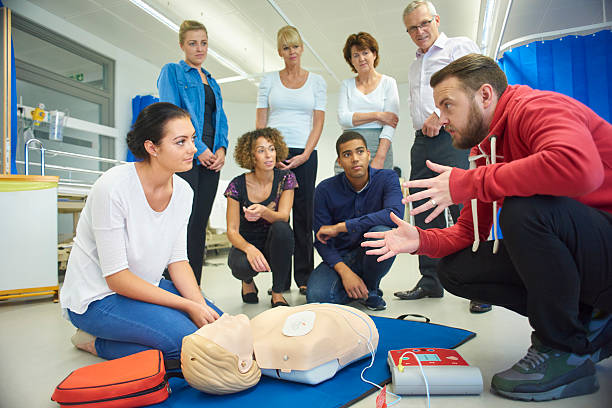
Public awareness of emergency preparedness has increased significantly in recent years. As more workplaces, schools, and public facilities install Automated External Defibrillators, the need for proper education continues to grow.
Quality cpr training programs often include AED instruction because these two skills work together to improve emergency response during cardiac incidents.
Understanding the Role of AEDs
AEDs are designed to analyze heart rhythms and determine whether a shock is needed during sudden cardiac arrest.
Modern devices are user-friendly and provide clear instructions that guide responders through each step.
However, familiarity with AED operation helps individuals respond more confidently and efficiently during emergencies.
Why CPR and AED Training Work Together
CPR helps maintain blood circulation while an AED may help restore a normal heart rhythm.
When combined, these interventions create a stronger emergency response strategy.
Key Benefits
Participants learn:
- Emergency recognition
- CPR techniques
- AED operation
- Response coordination
- Emergency communication
These skills support effective action during critical situations.
Workplace Applications
Organizations increasingly include AED education as part of broader safety training initiatives.
Benefits for employers include:
- Better preparedness
- Stronger safety culture
- Improved employee confidence
- Enhanced emergency response capabilities
- Support for compliance objectives
Prepared employees help create safer work environments.
Practical Learning Improves Preparedness
Hands-on instruction allows participants to practice emergency procedures in realistic settings.
This approach helps learners:
- Build confidence
- Retain information longer
- Improve decision-making
- Develop teamwork skills
- Reduce hesitation during emergencies
Practical experience remains one of the most effective ways to prepare individuals for real-life situations.
Conclusion
AED education and CPR instruction form a powerful combination for emergency preparedness. Together, they provide individuals with the knowledge and confidence needed to respond effectively during cardiac emergencies. Through practical learning and ongoing education, communities and workplaces become better equipped to protect lives.